
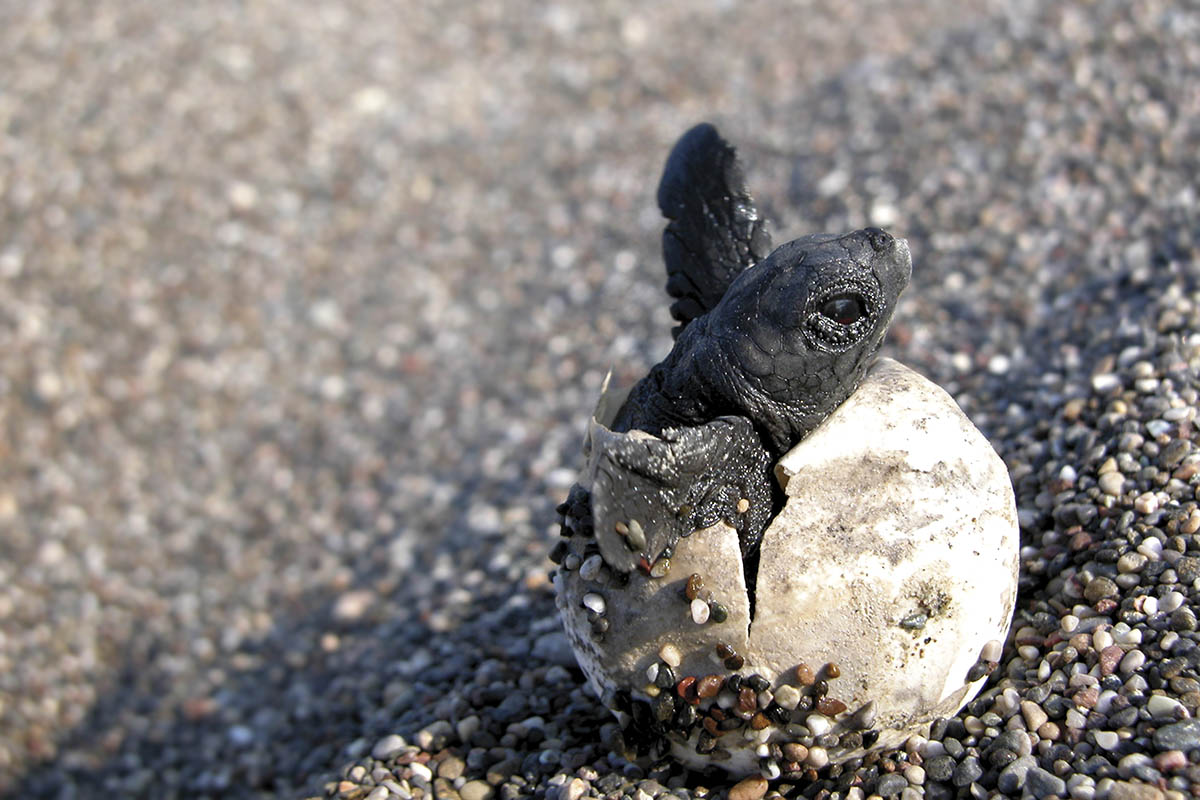
Did you know it is sea turtle hatching time in Puerto Vallarta,Mexico? Each year, thousands of sea turtles return to their birthplace in Puerto Vallarta to lay their own turtle eggs in the sandy beaches along Mexico’s Pacific coast. There are seven different species of sea turtles, and six of these species lay their eggs in various locations along Mexico’s coastline each year. Sea turtles spend most of their life out at sea, but the females return each year back to their origins on Mexico’s beaches to lay their eggs. The resulting generation of baby sea turtles are hatching now and visitors can be involved with conservation group efforts to protect and release the baby sea turtles to sea. Would you like to experience this for yourself? If so, read below to learn where you can be involved in a baby sea turtle release and see these amazing creatures up close and in person.
Sea Turtle Nesting Facts
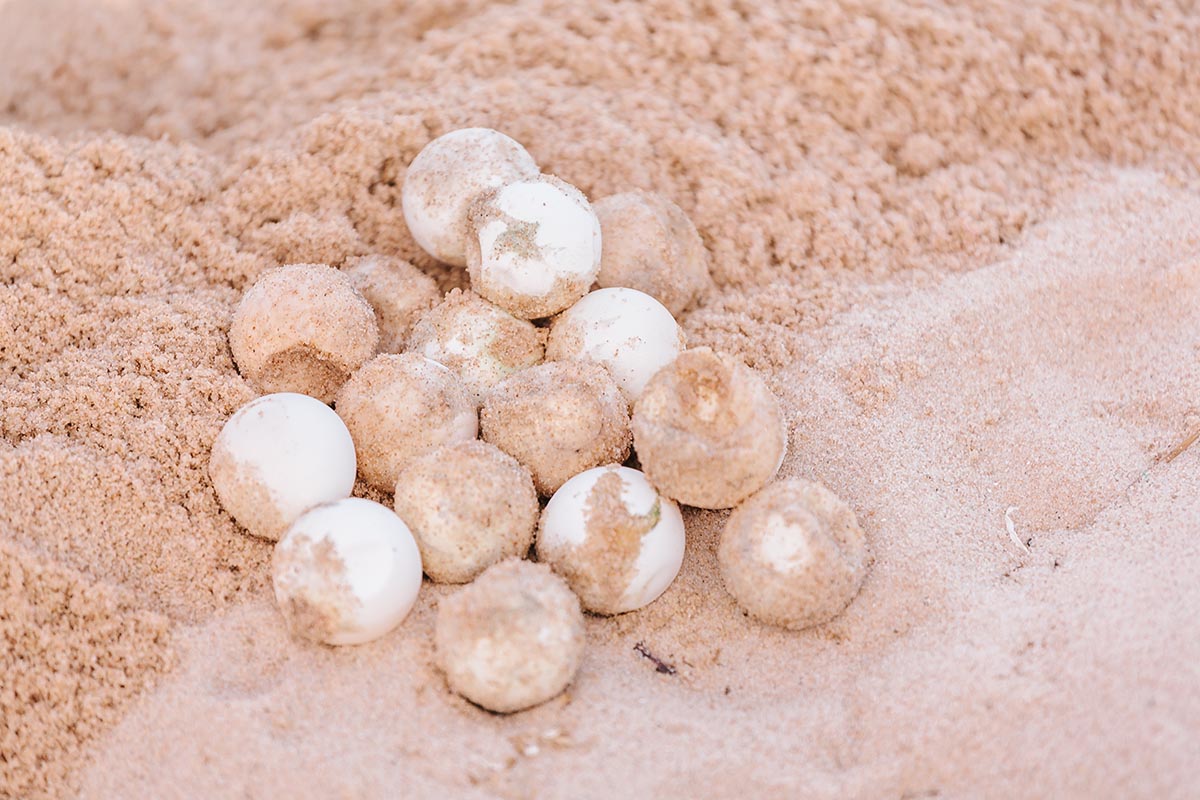
Did you know that the sea turtles return to the exact location they were born to lay their own eggs? Also, did you know that sea turtles nests can house up to 200 eggs? When a female sea turtle finds a suitable location to lay her eggs, she will then bury the eggs in the sand where they will remain in incubation for about 50 days. Once the 50 day incubation has ended, it is time to hatch! In Puerto Vallarta, there is a sea turtle preservation group near Boca de Tomates that works tirelessly to ensure that sea turtle eggs are protected from natural predators and human interference. Sea turtle egg-laying season occurs between June to December each year, and many preservationists work together to collect and return sea turtle eggs that are found on the beach. By protecting and then releasing the baby sea turtles once hatches, this gives the sea turtles a better chance of survival by protecting them from humans and natural predators. Natural predators include animals that would dig up the eggs to eat them. Common natural predators found on land in the area include skunks, raccoons, seagulls, foxes, ravens, crows, herons and the snapping turtle. Predators at sea include killer whales and sharks. Unfortunately, humans are also guilty of interfering with sea turtle eggs as some unsavory individuals try to steal the sea turtle eggs or baby turtles in order to sell them for a profit.
Hatching Time!
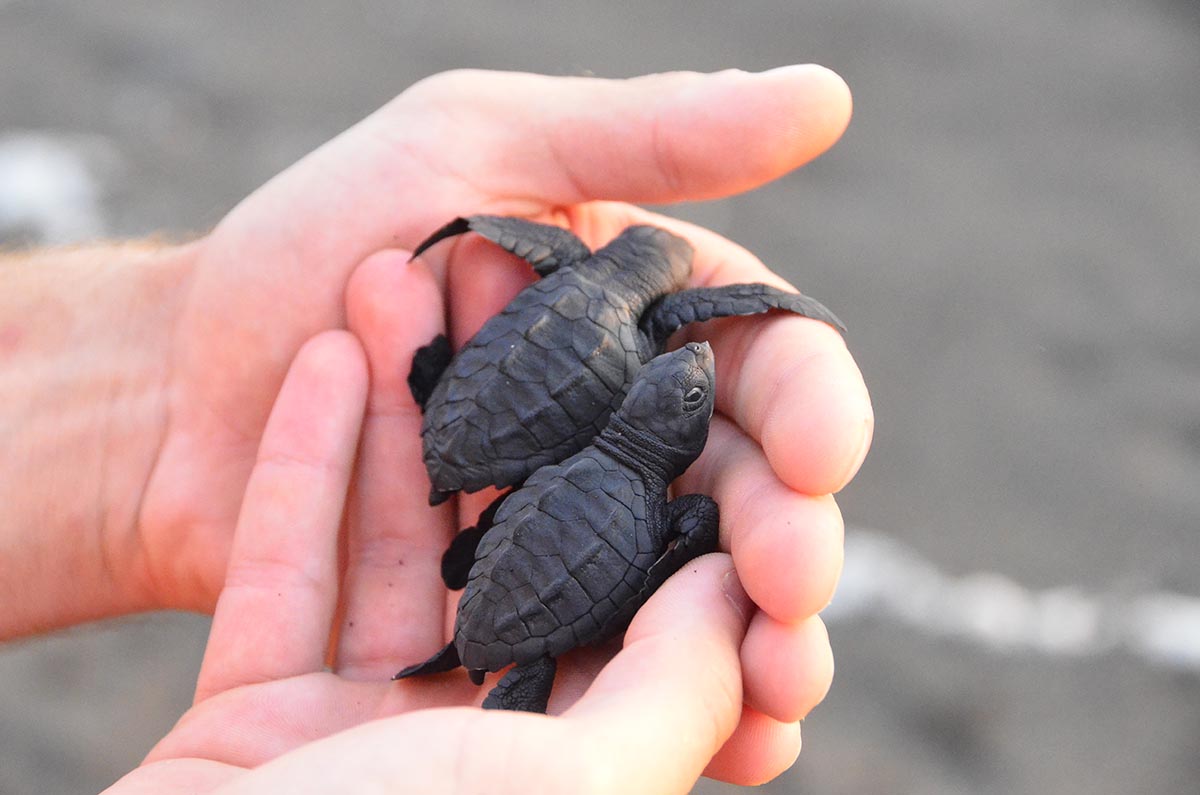
Once the sea turtle eggs are ready to hatch, the tiny sea turtle babies slowly begin to poke their way out of their shells in the miracle of life. Slowly but surely, the baby sea turtles crack open their shells and take their first steps towards the open sea. In Puerto Vallarta, the conservation group that has collected sea turtle eggs invites visitors to participate in the baby sea turtle release many evenings in December. In order to improve their chances to make it to sea, the release is done at sunset and under the watchful eye of the group leaders as seagulls also have their eye on the baby turtles. If you find yourself in Puerto Vallarta at this time, make sure to contact the “Campamento Tortuguero Boca de Tomates” to see if a baby sea turtle release is scheduled. It’s a wonderful and inspiring experience that the whole family will enjoy.
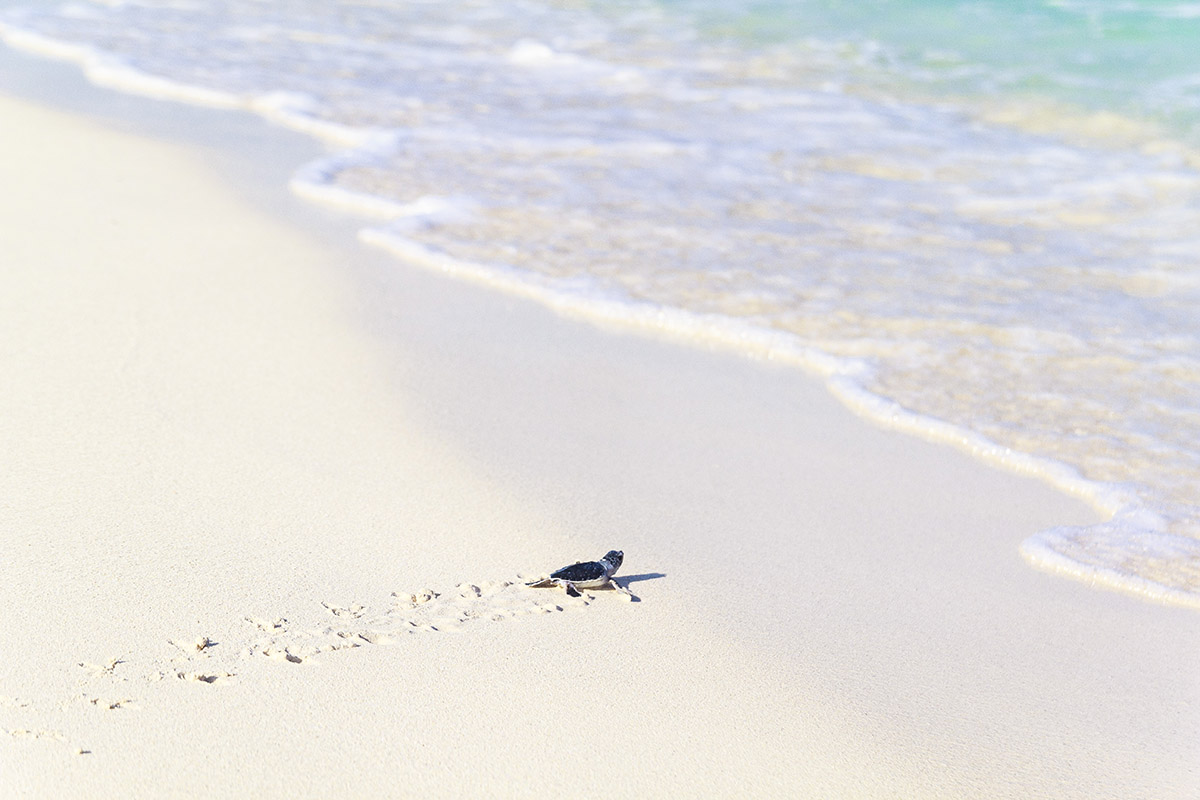
Make sure to plan your next trip to Puerto Vallarta in late fall or early winter so you participate in a baby sea turtle release for yourself.