The shores and waters of Mexico are teeming with wildlife; some of the most beautiful and rare creatures in the world can be seen here (most especially marine animals), but the most beloved is, without a shadow of a doubt, the sea turtle. In fact, the beaches of Mexico act as nesting grounds for hawksbill, green, and loggerhead turtles;
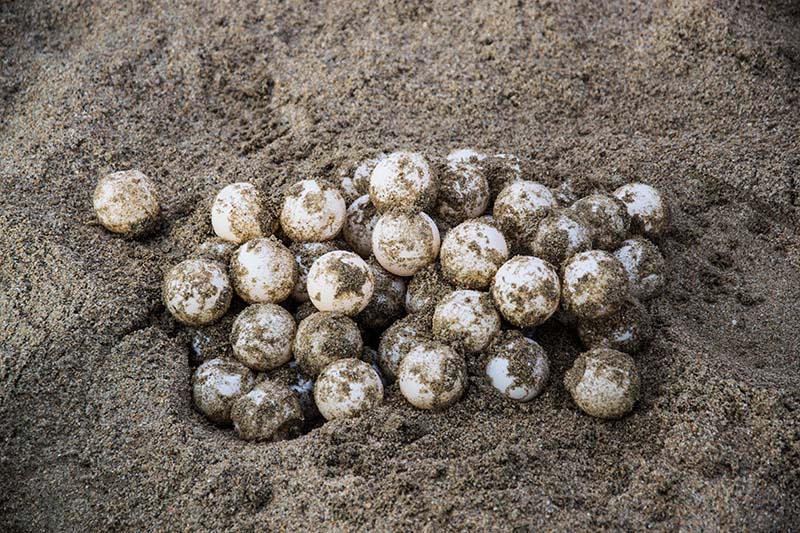
The ritual of returning year on year to their own hatching grounds is an ancient one, and it is what ensures the survival of these wonderful creatures. Each year female turtles make the arduous (of 1000 mile) journey from their feeding grounds to these beaches. Upon arrival they will drag their heavy bodies up the beach until they find a suitable spot in which to bury their precious cargo. Once satisfied they return to the sea and a long and dangerous two months begins for the vulnerable clutch.
It is sad but true that all turtle species are now endangered; predation, human hunting, pollution, and overfishing (amongst other things) have come together to decimate sea turtle populations. Thankfully, however, many countries around the world have put measures in place to protect these lovely creatures and encourage their growth and recovery.
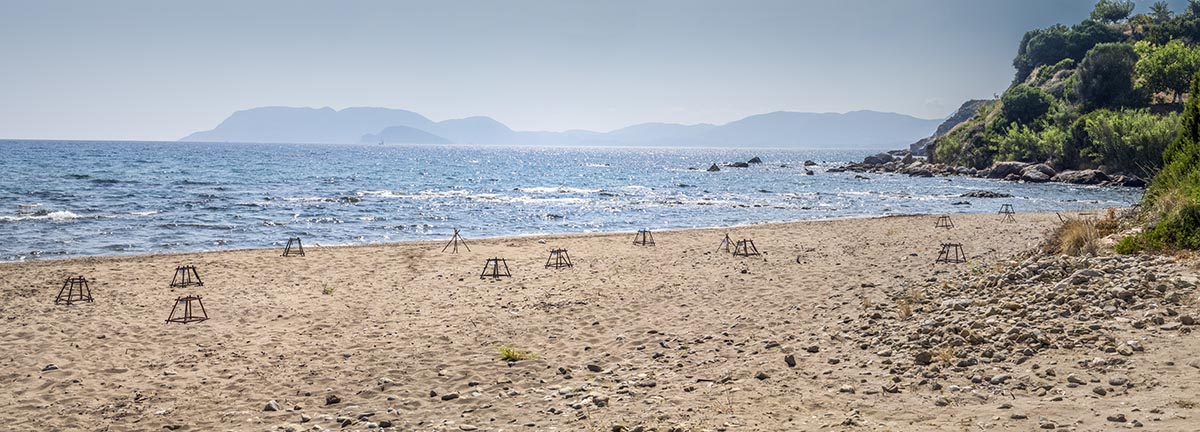
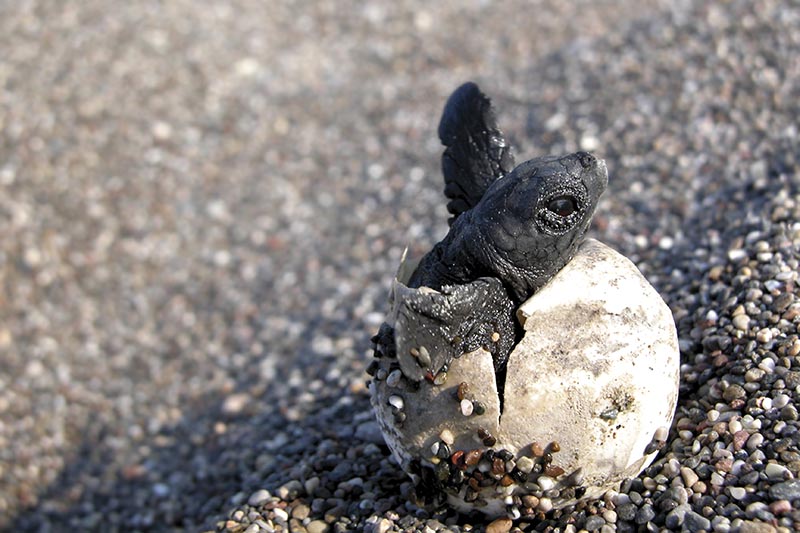
In most places, like Mexico, it means making the hunting of sea turtles (and the disturbing of their eggs or nests) illegal, but it also means active conservation work. In Mexico you will see this; especially during the summer nesting season. At this time of year you will see volunteers patrolling the beaches at night to watch out for nesting mothers (and, of course poachers). If they see turtles nesting they, first and foremost, stay out of the mother’s way until they have lain and secured their clutch. After this they may measure and tag the mother before she returns to the sea, but they will definitely move the clutches of 80 to 200 eggs to nests, which resemble the originals, on a secure beach. The eggs on these beaches will be guarded for the full 45 to 60 days which it takes them to hatch, and when the hatchlings are ready to scramble for the surf their progress will be aided by guards, volunteers and tourists who watch over them and act as deterrents to predators.
Of course, there are so many dangers in the water itself that many will not reach adulthood but those who do will return to these beaches in 12 to 15 years to lay their own eggs… and that’s just beautiful, don’t you think?
If you’re visiting Mexico’s coastline during the summer season there is every chance that you may see some turtles. If you do there are some things you should keep in mind; it is illegal to interfere with turtles when nesting so even if you think you’re helping please do not approach or touch nesting mothers on the beach. If you see a turtle you think may be in trouble (or who may be nesting) inform local authorities and keep your distance. Take pictures if you wish to, but keep your flash off as this may startle them. Turtles are very sensitive to artificial light, noise, and harsh movements.
Be considerate of these wonderful, endangered creatures and their young.
Looking to try a water activity that combines the strength and flexibility of yoga? Did…
Día de Los Muertos is a holiday in Mexico that is also known as “Day…
Do you want to make your dreams a reality? Are you in the market for…
Your home is your castle, and where most people spend the majority of their free…
Restaurant Week is here! It’s time to sink your teeth into the area’s best cuisine…
Puerto Vallarta International Airport has received recognition by the Airports Council International (ACI) for its…